What Panic Bar Installation Actually Involves (and Why It's Not a DIY Job)
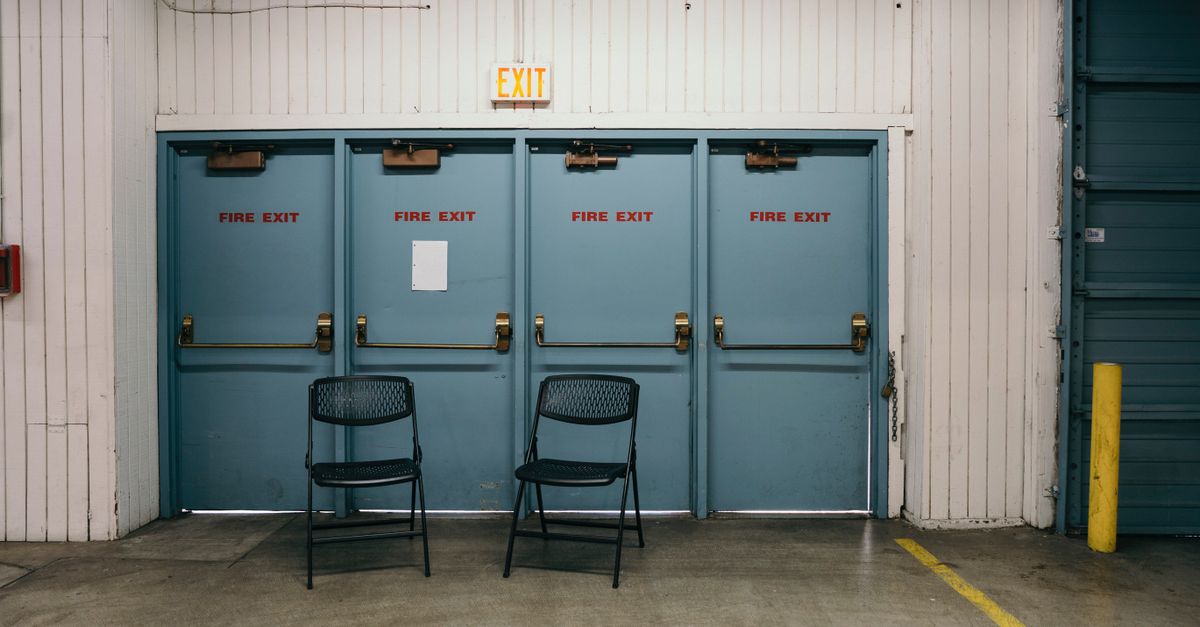
A panic bar — also called an exit device or crash bar — looks deceptively simple from the outside. Push the horizontal bar, door opens, people exit safely. But behind that bar sits a precisely coordinated mechanism: a case body, latch bolt, dogging hardware, optional rim cylinders, and in many installations, a mortise lock body integrated directly into the door's edge. Mortise lock panic bar configurations are among the most mechanically demanding installs a commercial locksmith handles. The mortise pocket must be routed to exact depth and width, the lock case seated flush, and the trim hardware aligned so the push bar and the mortise latch work in perfect unison — misalign any one element and the door either won't latch or won't release under load.
Local building codes — enforced through New York State's adoption of the International Fire Code — specify exactly when exit devices are required based on occupancy type and exit count. A Cold Spring business that added a second-floor event space, for example, may now be required to have compliant exit hardware on doors that previously had a standard door knob lock. Our commercial locksmith team reviews the door prep, the frame condition, and the applicable hardware standard before recommending any product, so what gets installed is both code-compliant and genuinely durable.