Signs You Need Door Knob Lock Replacement — Not Just a Repair
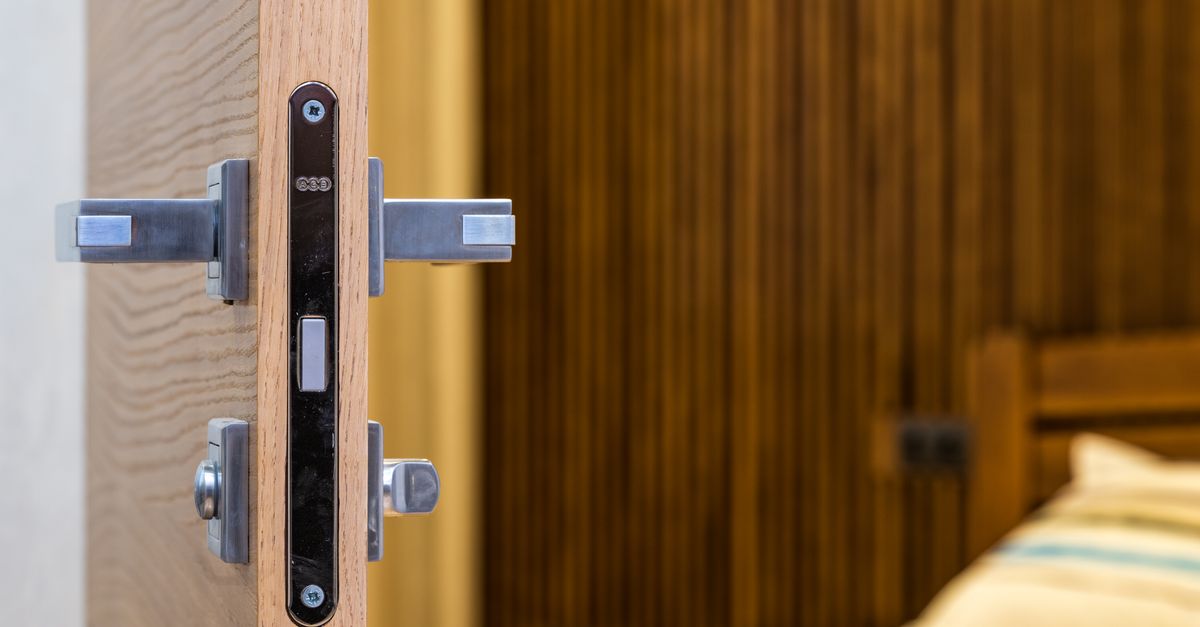
A knob lock doesn't always fail all at once. More often it gives you weeks of warning: the knob feels loose and wiggles side-to-side, the latch bolt doesn't retract smoothly, the key turns but the mechanism doesn't follow, or the lock cylinder spins freely without engaging. Interior privacy knobs — the kind used on a door knob with lock for bedroom or bathroom applications — can also fail at the push-button or turn-button mechanism, leaving occupants locked in or unable to lock at all. Exterior entry knobs face weather, UV exposure, and repeated use that interior hardware never sees, making corrosion and stripped set-screws especially common on Cold Spring properties that sit close to the Hudson's humidity corridor.
When a lock can be adjusted, re-keyed, or lubricated back to full function, we'll tell you that honestly — there's no reason to replace hardware that still has service life. But when the internal mechanism is worn beyond adjustment, when the door knob with lock and key no longer aligns after a door has settled, or when you've inherited hardware that's decades old and offers minimal pick or bump resistance, replacement is the safer and more cost-effective long-term decision. Our technicians assess the condition on-site and walk you through the options before any work begins.