First Locksmiths Service Team
Local locksmith team
Apr 23, 2026 11 min read
You're standing at your front door after a long day, key in hand — and the door knob lock just won't budge. Maybe it turns halfway and stops, maybe it spins uselessly, or maybe the key goes in but nothing happens. Before you assume the worst, take a breath: most sticking or failed knob locks have a handful of common causes, and some can be fixed in minutes with tools you already own. This guide walks you through a practical diagnosis so you spend less time guessing and more time actually getting through your door.
That said, some failures — a seized internal mechanism, a snapped spindle, a lock that's been forced or worn past the point of no return — genuinely do require a professional. First Locksmiths serves Cold Spring, NY and the surrounding Hudson Valley area around the clock, so whether you're troubleshooting at noon or locked out at 2 a.m. near the Breakneck Ridge trailhead, help is never far away. Read on to work through the most likely culprits first.
## Why Your Door Knob Lock Sticks: The Most Common Culprits
A door knob with lock that suddenly stiffens or refuses to operate usually points to one of four root causes: mechanical wear inside the lock body, misalignment between the door and its frame, a key that has worn down over time, or environmental factors like temperature swings and moisture. Cold Spring's Hudson Valley winters are no joke — the freeze-thaw cycle that batters everything from Route 9D driveways to century-old farmhouse doors also works its way into lock cylinders, causing metal components to contract, swell, or corrode. If your lock started stiffening after a cold snap or a rainy stretch, moisture and temperature are the first suspects.
Mechanical wear is the second big culprit. Every time you use a door knob with lock and key, tiny metal components inside the cylinder — the plug, the driver pins, the springs — absorb friction. Over years of daily use, springs weaken, pins bind, and the tailpiece that connects the cylinder to the latch mechanism develops slop. A lock that feels 'gritty' or requires extra force to turn is telling you it's close to the end of its service life. Catching it early means a simple rekey or cylinder replacement; ignoring it often means a full lockout.
## Safe, Practical Fixes You Can Try Right Now on a Door Knob Lock
Start with the simplest checks before touching the lock itself. First, inspect your key under good light — a worn key with rounded cuts can turn a healthy cylinder into a frustrating puzzle. If you have a spare key that's seen less use, try it. If the spare works smoothly, the problem is the key, not the lock, and you need a new copy cut from the original. Second, look at the door itself: close it slowly and watch whether the latch bolt lines up cleanly with the strike plate hole. A door that has settled — common in older Cold Spring homes with wooden frames — can torque the knob and create binding that feels exactly like a failed lock. Tightening the hinge screws or adjusting the strike plate by just a couple of millimeters can restore smooth operation.
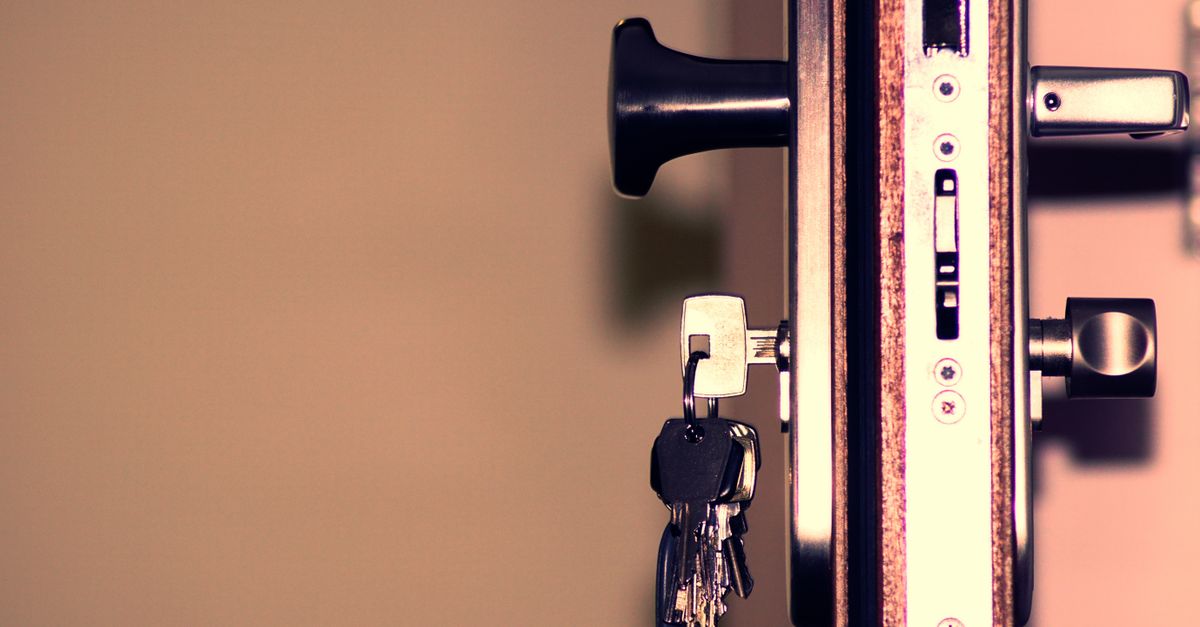
If the lock body itself is stiff, a graphite lubricant (sold at any hardware store) puffed into the keyway is the correct fix — NOT WD-40, which attracts dirt and gums up pin tumblers over time. Insert your key, turn it a few times to distribute the lubricant, and wipe the excess from the keyway face. For a door knob lock that turns freely but doesn't retract the latch, the spindle connecting the knob to the latch mechanism has likely broken or disconnected — this is not a lubrication problem and requires the knob assembly to be disassembled and the spindle replaced. At that point, it's worth calling a professional, because knob hardware varies widely and a mismatched spindle will just repeat the failure.
## Mortise Lock vs. Knob Lock: Knowing Which You Have Changes Everything
Many Cold Spring homeowners — especially those in the Victorian-era and early-20th-century homes that line Main Street and the surrounding hillside neighborhoods — are surprised to discover they have a mortise lock rather than a simple knob lock. A mortise lock is a self-contained unit set into a rectangular pocket (the 'mortise') cut into the door edge. It combines a latch bolt, a deadbolt, and sometimes a privacy function all in one heavy-duty steel case. The knob or lever on the outside is a trim piece connected to the mortise lock body inside. When a mortise lock fails, the symptoms can mimic a broken knob — the trim spins, nothing retracts — but the fix is entirely different. Misdiagnosing a mortise lock failure as a simple knob problem and forcing it can crack the door edge or jam the case beyond simple repair.
First Locksmiths specializes in mortise lock service as a core part of our residential and commercial locksmith work. Our skilled technicians can service, rebuild, or replace mortise lock cases from manufacturers like Schlage and Kwikset, rekey the cylinder to your existing keys, and adjust the trim hardware so everything operates as it should. If you're not sure which type of lock you have, a quick look at the door edge tells the story: a knob lock has a small cylindrical latch housing; a mortise lock has a large rectangular faceplate. When in doubt, call us at (845) 506-8280 — we can often talk you through an identification over the phone before you commit to a service visit.
## What a Locksmith Actually Does — and What Locks Cannot Simply Be 'Opened'
A question we hear often is some version of 'what locks can locksmiths not open?' — and it's a fair one. Skilled locksmiths use legitimate, professional techniques: picking, decoding, and impressioning for cylinders where those methods apply; bypassing certain mechanisms through manufacturer-approved procedures; or, when no non-destructive method works, controlled drilling that preserves the door and frame. What we do NOT do — and what this article will not walk you through — is provide bypass or forced-entry techniques for readers to attempt on their own. Beyond the obvious safety risks, improper attempts frequently destroy the lock body, damage the door, and turn a $0 problem into a significant repair. If you are locked out of your own home, the right move is to check every other entry point first (back door, garage, accessible window you can open safely from outside), locate a spare key with a trusted neighbor, and then call a professional if none of those options pan out. We'll verify your identity and ownership as part of any lockout service — that's standard practice and protects you as much as it protects the property.
On the commercial side, high-security cylinders with anti-pick, anti-drill, and anti-bump features — common in business doors along Cold Spring's Main Street shops and the Route 9 commercial corridor — are designed to resist even skilled manipulation. That's the point of investing in them. A commercial locksmith with the right equipment and manufacturer authorization can service these locks, but the work is more involved and the components more specialized. The factors that go into the final quote for any job — whether residential or commercial — include the lock type and brand, the specific service needed (rekey, cylinder replacement, full mortise lock rebuild), the time of day, and travel distance to your location. We always confirm an exact up-front price before any work begins, so there are no surprises on the invoice.
## When to Stop Troubleshooting and Call First Locksmiths Cold Spring
There's a point in every DIY repair where continuing costs more than calling for help — in time, in parts bought and returned, and sometimes in damage to the door itself. For door knob locks, that threshold is usually: the knob spins without resistance (broken spindle or cam), the cylinder has visible damage or was forcibly attacked, the latch or deadbolt no longer aligns with the strike plate despite hinge and plate adjustments, or the lock is more than 10–15 years old and has been stiff for months. At that stage, a professional assessment saves money compared to repeated DIY attempts. Our services cover the full range of residential and commercial locksmith needs, including: door knob lock replacement and rekey, mortise lock service and rebuild, deadbolt installation, high-security cylinder upgrades, emergency lockout response, lock repair after forced entry, master key system setup, knob and lever hardware replacement, Schlage and Kwikset product installation, door frame and strike plate reinforcement, mailbox lock replacement, garage side-door lock service, window lock installation, lock compatibility assessment for old doors, commercial door closer and panic bar inspection referrals, safe lock diagnostics, padlock replacement, storage unit lock service, duplicate key cutting, transponder key programming, car door lockout response, ignition cylinder assessment, broken key extraction (door and ignition), security consultation for rental properties, and after-hours emergency locksmith response — including nights, weekends, and holidays.
Readers sometimes ask 'how much does a local locksmith charge?' or 'what is the average call-out fee for a locksmith?' — and the honest answer is that no responsible locksmith quotes a single flat number without knowing the specifics. The variables that shape any quote include the type of lock involved, whether parts need to be sourced, the time of day (emergency locksmith calls outside business hours involve different logistics), and your distance from our base. What we can promise is full price transparency: you'll know the exact cost before we touch anything. If you've been wondering 'how much does an emergency locksmith cost near me?' or comparing 'is it cheaper to go to a locksmith or dealer?' for a car lockout — bring those questions to the call. We'll give you straight answers. First Locksmiths is available 24/7; call (845) 506-8280 any time and a real person will pick up.
## Preventing the Next Stuck Lock: Maintenance That Actually Works
The best door knob lock problem is the one that never happens. A twice-yearly maintenance routine keeps most residential locks in reliable condition: lubricate the cylinder with graphite powder or a Teflon-based spray (never oil-based), tighten all visible screws on the knob trim and strike plate, check that the door closes without resistance and the latch bolt centers in the strike plate hole, and test the key action with both your primary key and any spare. If you notice the action getting stiffer between service visits, address it immediately — stiff locks that are ignored become stuck locks, and stuck locks at 11 p.m. become emergency locksmith calls. For older homes in the Cold Spring area, where seasonal wood movement can shift door frames noticeably between summer and winter, plan a quick door check each spring and fall as part of your regular home maintenance — the same time you swap smoke detector batteries or flush your water heater.
Frequently asked questions
How much does an emergency locksmith cost near me in Cold Spring, NY?+
There's no honest single-number answer, because the final quote depends on several factors: the type of lock (a basic knob lock rekey is a different job from a mortise lock rebuild), whether replacement parts are needed, the time of day, and the distance to your location. What First Locksmiths guarantees is that we confirm an exact price up front — before any work begins — so you're never faced with a surprise bill. Call (845) 506-8280 to describe your situation and get a straight answer.
What is the average call-out fee for a locksmith, and is it different after hours?+
Call-out fees vary by provider and region, and after-hours emergency locksmith response typically involves different logistics than a standard daytime appointment — that's reflected in how quotes are structured industry-wide. At First Locksmiths, we're transparent about every component of the price when you call. We don't quote averages that don't apply to your specific job; we quote your job. Time of day, lock type, and travel distance are the main factors we'll walk you through on the call.
What locks can locksmiths not open?+
Skilled locksmiths can open the vast majority of residential and commercial locks using professional techniques — picking, decoding, impressioning, or controlled drilling when necessary. High-security cylinders with anti-pick and anti-drill features are more resistant to non-destructive methods and may require drilling, which then necessitates a replacement cylinder. A very small number of proprietary high-security systems require manufacturer-level authorization and specialized tools. In any case, a professional locksmith will always choose the least destructive method available and will explain what the process involves before starting.
Is it cheaper to go to a locksmith or a dealer for a car lockout or ignition issue?+
For most car lockouts, a mobile locksmith is significantly faster and often more straightforward — we come to you rather than requiring your vehicle to be towed. For ignition cylinder replacement or transponder key programming, the comparison depends on the vehicle make, the age of the car, and what parts are available. Dealers have manufacturer-sourced parts and system access for some newer vehicles; a qualified mobile locksmith handles the majority of lockout and key situations efficiently and with full price transparency. Call us at (845) 506-8280 and describe your vehicle and the issue — we'll tell you honestly whether it's a job we can handle on-site.